
Shopify dropshipping lets you sell products without holding stock: a supplier ships directly to your customer when an order comes in. It is a low-cost way to start, but competition is intense, so success depends on niche choice, reliable suppliers and strong branding.
This guide covers the eight steps to launch a Shopify dropshipping store properly, with honest advice on what works and what to avoid.
Key takeaways
- Choose a niche with clear demand and room for a brand, not just a trending product.
- Supplier reliability and delivery times make or break Shopify dropshipping.
- Price for real costs: product, shipping, fees, ads and returns.
- Build trust with clear policies, fast pages and genuine reviews.
Table of Contents
How Shopify dropshipping works
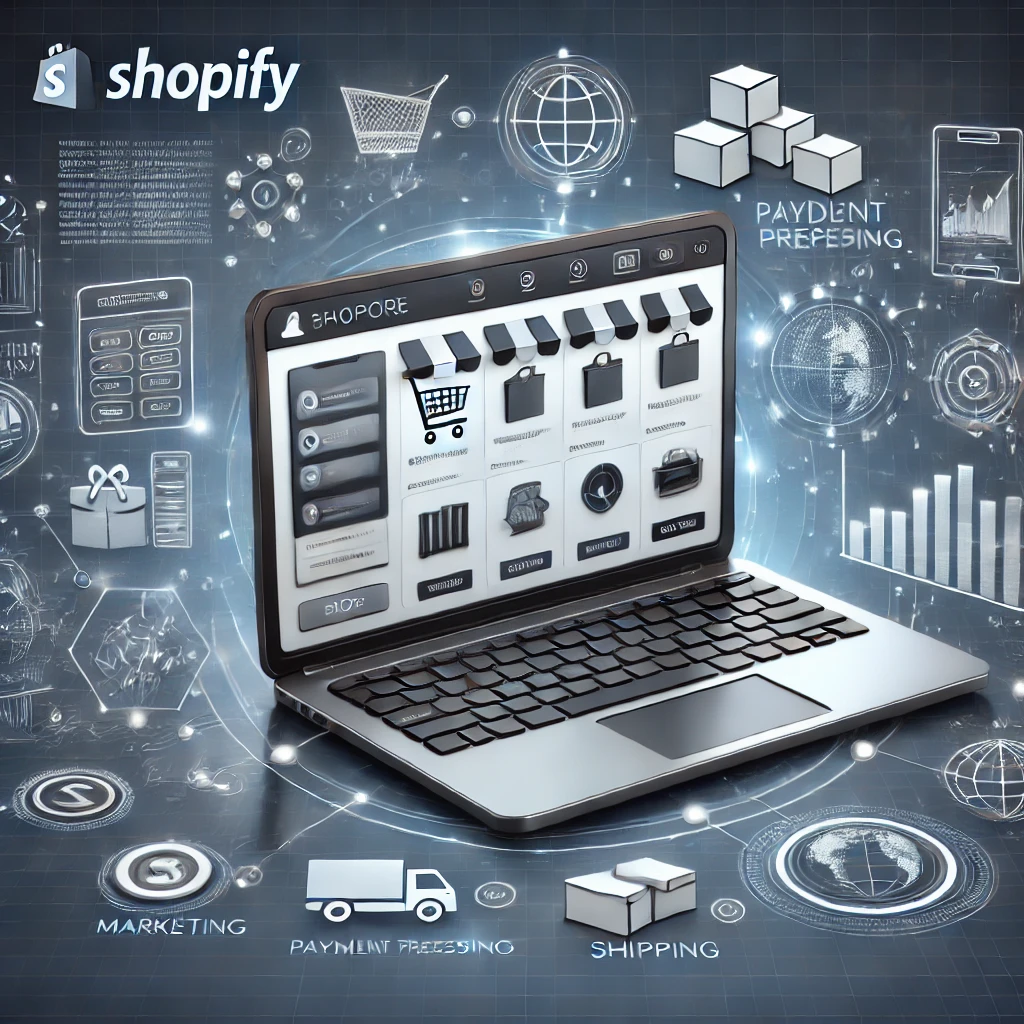
You list products on your Shopify store. When a customer buys, the order is sent to your supplier (manually or via an app), who ships it to the customer. You keep the difference between your price and the supplier’s cost. You handle marketing and customer service; the supplier handles stock and shipping.
Step 1: Choose a focused niche
Look for products people search for, that solve a problem or fit a passion, and that can carry a healthy margin. A focused niche makes branding and advertising easier than a general store.
Step 2: Find reliable suppliers
Use established supplier apps or local suppliers with warehouses near your customers. Order samples, check quality and test delivery times to your main markets. Long shipping times are the most common cause of refunds in Shopify dropshipping.
Step 3: Set up your store
Choose a fast theme, write clear policies (shipping, returns, contact) and create an about page that explains your brand. Our Shopify developers can set up a professional store quickly.
Step 4: Write original product content
Never copy supplier descriptions. Write your own benefits-led copy, use your own photos where possible and add sizing and care details.
Step 5: Price for profit
| Cost | Include in price? |
|---|---|
| Product cost | Yes |
| Shipping | Yes, or a clear shipping fee |
| Payment and app fees | Yes |
| Advertising per sale | Yes |
| Returns and refunds | Allow a buffer |
Step 6: Set clear shipping expectations
Show realistic delivery times on product pages and at checkout. Customers accept longer delivery when they know in advance.
Step 7: Market your store
Combine organic content, influencer partnerships, email capture and paid ads. Start small, find profitable products and scale what works. Our digital marketing team helps with ads and email.
Step 8: Track and improve
Watch conversion rate, refund rate, delivery times and customer reviews. Replace suppliers or products that cause complaints quickly.
Branding a dropshipping store
The stores that last treat dropshipping as a starting point for a real brand. Pick a clear name and visual identity, write in a consistent voice, and build content around your niche, such as guides, comparisons and how-to videos. Over time, add custom packaging inserts or private-label versions of best sellers through your supplier.
Collect emails from day one with a useful offer, not just a discount. A newsletter about your niche keeps customers coming back and lowers your reliance on paid ads. Genuine reviews and user photos are worth more than any app that fakes social proof.
Legal and practical checks
- Register your business and understand sales tax or VAT rules in your markets.
- Make sure products meet safety rules in the countries you sell to.
- Avoid trademarked or counterfeit items entirely.
- Write clear refund and returns policies that match local consumer law.
- Keep records of supplier agreements and product certificates.
These steps protect your store and payment accounts, which can be suspended if customers complain about misleading listings or delivery.
Common Shopify dropshipping mistakes
- Selling products with very long delivery times.
- Copying supplier photos and descriptions.
- Ignoring consumer laws on returns and refunds in your target country.
- Scaling ads before the store converts.
- Installing too many apps and slowing the store.
For the rules on what you can sell, check Shopify’s dropshipping help pages.
Frequently asked questions
Is Shopify dropshipping still profitable?
It can be, with a focused niche, reliable suppliers and good marketing. Generic stores with slow shipping struggle.
How much does it cost to start Shopify dropshipping?
The store itself costs little; budget mainly for samples, apps and advertising.
Do I need a business licence?
Rules vary by country. Check local requirements for registration and taxes.
Can I switch to holding stock later?
Yes. Many brands start with dropshipping and move best sellers to their own inventory.
Starting a Shopify dropshipping store? get a free quote for a professional setup, or message us on WhatsApp for advice.
Need a Shopify expert?
We design, build and speed up Shopify and Shopify Plus stores that convert. Tell us about your project and get a free estimate within 24 hours.
